
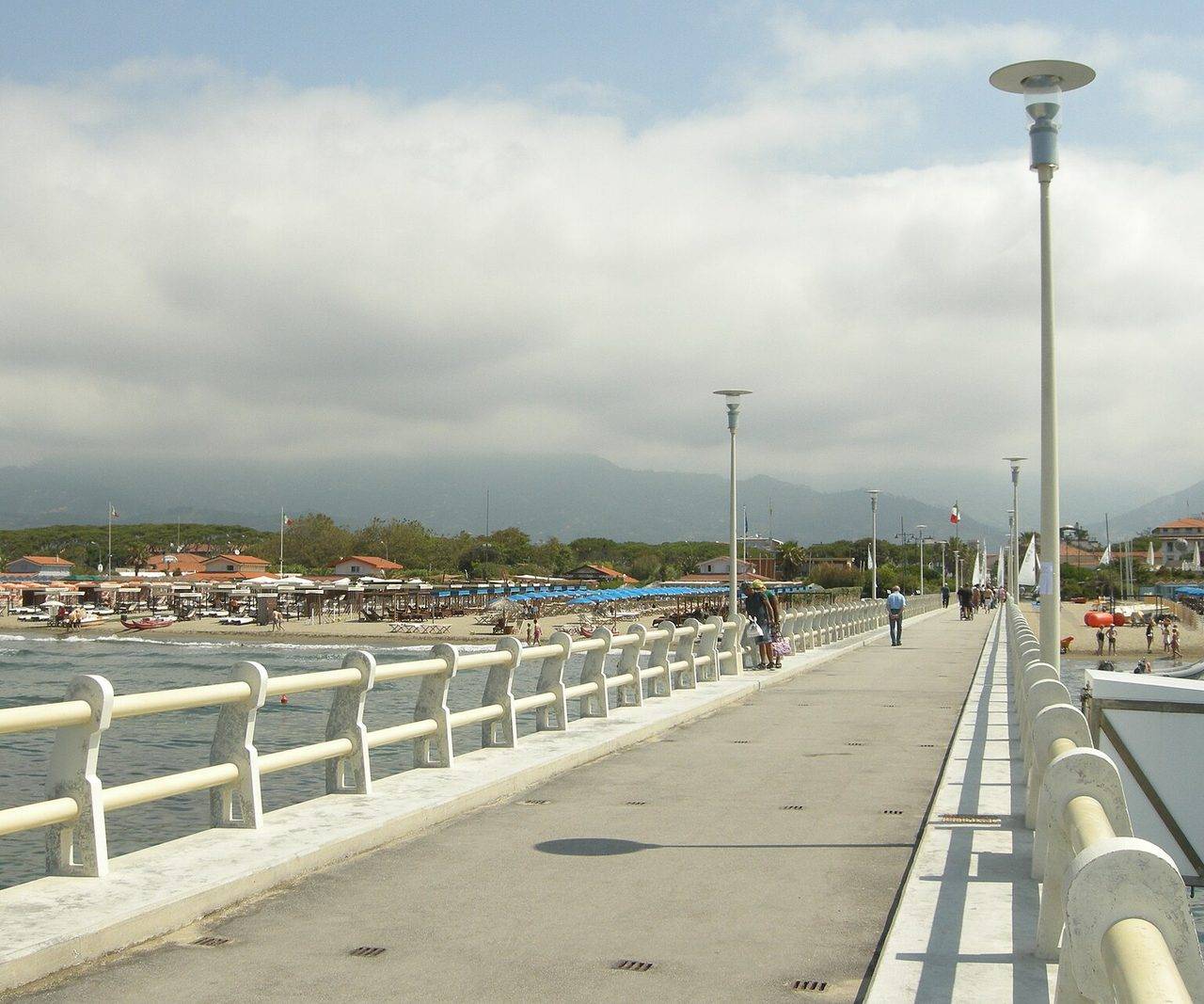
The Unexpected Canvas of Forte dei Marmi
Many arrive in Forte dei Marmi expecting only golden sands and designer boutiques. And yes, those are certainly here, shimmering under the Tuscan sun.
But to truly know Forte dei Marmi, to understand its particular allure that has drawn artists, writers, and thinkers for over a century, you must look beyond the immediate glamour.
This is a place where art isn't just in a gallery; it breathes in the sea air, whispers through the pine forests, and settles gracefully into the everyday.
I remember one late afternoon, strolling along Via Carducci after a light rain. The air was fresh, and the light, that special Versilian light, made the sculptures in the windows seem to hum with a quiet energy.
It wasn't the grand, imposing art of Florence, but something more intimate, more personal. This is the difference.
While places like Noto and Taormina boast ancient ruins and dramatic landscapes that inspire awe, Forte dei Marmi cultivates a quieter, more contemporary artistic pulse, often found in unexpected corners.
Where Does the Art Live?
The town's artistic heartbeat often begins in its private galleries. Unlike the larger, more public institutions, these spaces feel like extensions of elegant homes, showcasing curated collections with a distinct point of view. Take, for instance, Galleria Contini on Via V. Veneto.
You'll find works by contemporary Italian masters and international artists, often with a focus on sculpture, which feels particularly at home here given the proximity to Pietrasanta and Carrara. It's not just about viewing art; it's about engaging with it in a more personal setting.
Then there's the open-air museum feeling you get when walking through the town center, especially during the summer months. Sculptures often dot the squares and public spaces, temporary installations that add a dynamic layer to the sophisticated urban landscape.
It's a constant dialogue between the established beauty of the town and evolving artistic expression.
A Private Driver can easily navigate you through these artistic points of interest, allowing you to discover hidden courtyards and temporary exhibitions without the hassle of parking.
The Echoes of Genius: Forte dei Marmi's Literary and Artistic Past
It's impossible to speak of Forte dei Marmi's cultural tapestry without acknowledging the giants who once walked its streets. Think of the intellectuals and artists who sought refuge and inspiration here, away from the clamor of city life.
Thomas Mann found solace here, as did Italo Calvino, Eugenio Montale, and even Jean Cocteau. They weren't just passing through; they lived, wrote, and created in these very villas and under these same maritime pines.
This intellectual legacy imbues the town with a certain gravitas, a subtle layer beneath the chic facades.
The Villa Mann itself, now a private residence, stands as a silent testament to this era. Imagining Mann, perhaps penning lines of "Death in Venice" while gazing at the sea, adds a profound depth to the Forte dei Marmi experience. It's a reminder that true luxury often lies in the richness of history and quiet contemplation, something a bespoke literary tour, perhaps arranged by Covellea, can bring to life.
Beyond the Brush: Craftsmanship and Design
Art in Forte dei Marmi isn't solely confined to paintings and sculptures. The region is a cradle of exquisite craftsmanship, particularly in the marble industry.
A short drive, again, made effortless with a private chauffeur, takes you into the Apuan Alps, where the legendary Carrara marble quarries have supplied artists from Michelangelo to today's contemporary sculptors.
Witnessing this raw material transform into works of art, or even into the elegant surfaces of a luxury villa, is an art form in itself.
The boutiques, too, are a form of art. Not just in the high fashion they offer, but in the meticulous display, the quality of Italian design, and the palpable sense of curated elegance. Even the simple act of choosing a tailored linen suit or a custom-made sandal from a local artisan like the legendary Fratelli Cuoiaio on Via G. Pascoli, becomes an artistic expression of personal style.
What Cultural Experiences Can You Find Off-Season?
While the summer months bring a vibrant energy with outdoor concerts and temporary exhibitions, the "off-season" in Forte dei Marmi reveals a more intimate cultural scene.
Autumn and spring are perfect for exploring the galleries without the crowds, engaging in longer conversations with gallerists, and perhaps even meeting local artists. Many of the town's cultural associations host literary readings, small concerts, and art workshops throughout the year.
Consider a visit to the Museo della Satira e della Caricatura at the Fortino, which offers a unique perspective on political and social commentary through art. It's a delightful surprise and a testament to the town's willingness to embrace varied forms of artistic expression.
A private driver can enhance this experience, allowing you to venture further afield to nearby Pietrasanta, another renowned art town, without a second thought.
Forte dei Marmi's Artistic Future
Forte dei Marmi continues to evolve as a cultural hub. There's a growing appreciation for local artisans, sustainable design, and experiences that connect visitors more deeply with the region's heritage. It's a place that respects its past while embracing innovation, making it a compelling destination for those who seek beauty, inspiration, and a touch of refined luxury beyond the obvious.
When you next visit, allow yourself to linger a little longer, to look a little closer. You'll find that the art of Forte dei Marmi isn't always loud; sometimes, it's in the quiet reflection of a marble sculpture, the careful stitch of a bespoke garment, or the echo of a poet's words carried on the sea breeze. This is the nuanced, rich cultural experience that Covellea delights in sharing.
You might also enjoy
Forte dei Marmi: The Secrets of Timing Your Tuscan Escape · Forte dei Marmi: The Enduring Charm of Tuscan Traditions · Forte dei Marmi: A Taste of La Dolce Vita on the Tuscan Coast · Noto: A Baroque Dream Awakens