
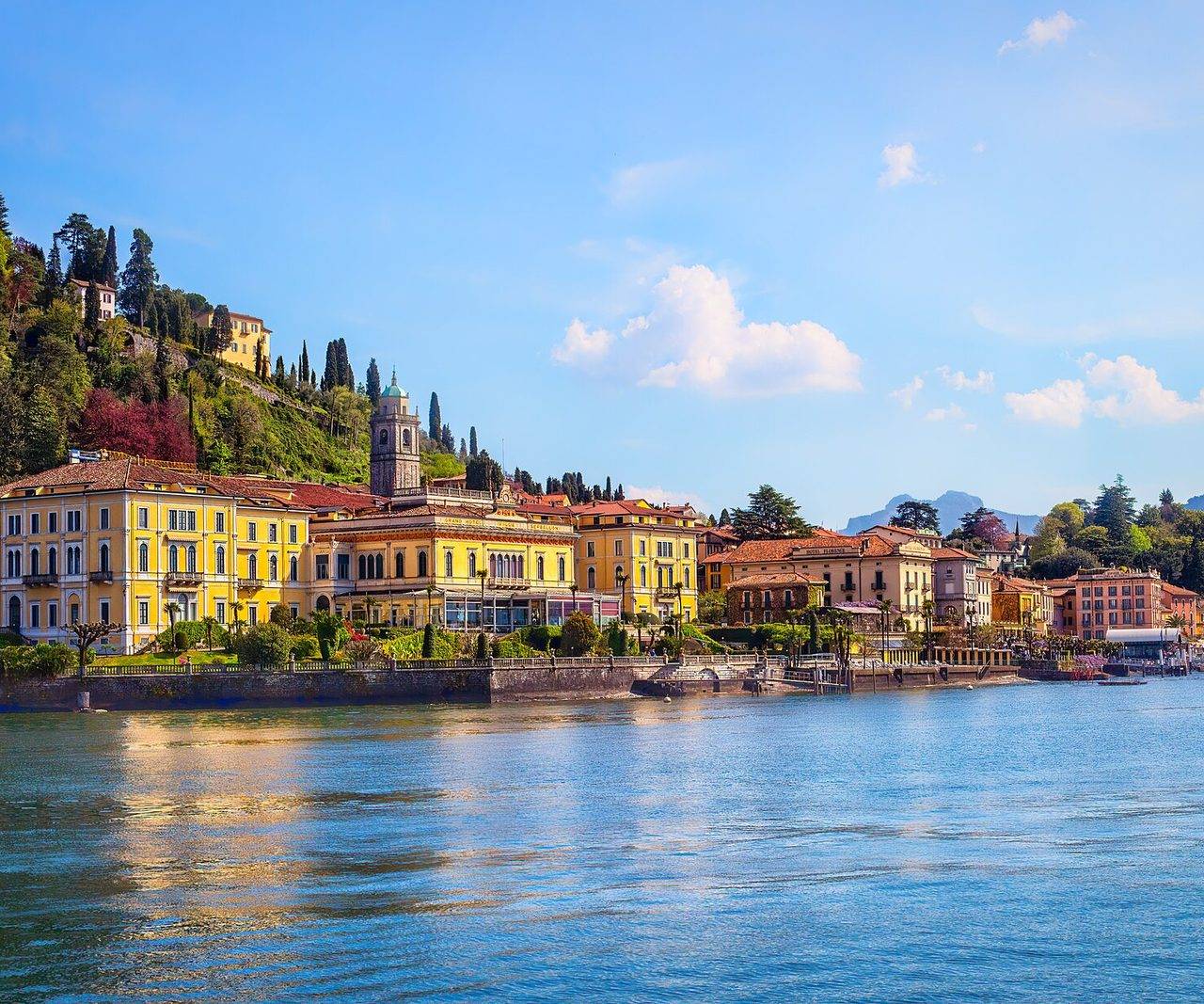
When the first light of morning touches the peaks surrounding Tremezzina, a quiet majesty settles over Lake Como, hinting at centuries of inspiration. This is no mere panorama; it is a landscape that has captivated poets, composers, and artists for generations, making it a critical stop on the Grand Tour for any discerning traveller.
The villas that grace its shores, from Bellagio to Varenna, are not simply opulent residences; they are living museums. Each holds a story woven into the rich fabric of Italian art history, visible in its frescoes, its meticulously planned gardens, and the very way light filters through antique window panes.
Art here is not an afterthought but an intrinsic part of the landscape. It is a continuous dialogue between human creativity and the sublime beauty of nature, a harmony that defines the very soul of the lake. This union has bequeathed an indelible legacy, an invitation to explore beyond the surface.
The Villas: Collections of Art and Nature
Consider Villa Carlotta, near Tremezzo, a marvel of neoclassical architecture. Its collection, featuring masterpieces from the school of Canova and by Thorvaldsen, speaks volumes of the enlightened patronage that once flourished here. It is a place where classical sculpture finds its perfect echo in the elegance of the interiors.
Yet it is by stepping into its botanical gardens that one truly grasps the artistic vision. Camellias, rhododendrons, and azaleas are arranged with a painter's eye, creating living compositions that shift with the seasons. It is a sensory experience, blending art, fragrance, and colour into a memorable whole.
No less captivating is Villa del Balbianello, set on a wooded peninsula reaching into the lake. Its dramatic architecture and terraced gardens have made it a celebrated cinematic location. Now managed by FAI, the Italian National Trust, the villa preserves the collections of its last owner, explorer Guido Monzino, creating a unique atmosphere of adventure and refinement.
In Bellagio, the gardens of Villa Melzi d’Eril offer a promenade of rare beauty along the shore. Designed in the English style, they contain sculptures, a neoclassical chapel, and a Japanese pond, demonstrating how a taste for art and botany were fused into a landscape design of the highest order.
The Artistic Soul of the Towns
While the villas are undoubtedly the stars, the lake’s artistic heartbeat also thrives in its more intimate corners. Como city, with its magnificent Duomo, is an essential starting point. This Gothic-Renaissance masterpiece demands a thoughtful pause to admire its façade, notably adorned with statues of Como’s own Pliny the Elder and Younger.
Inside the cathedral, tapestries and paintings narrate centuries of faith and masterful craftsmanship. Adjacent, the old Broletto town hall, with its arches and marble-striped façade, stands as a testament to the city's civic history. Nearby, the Tempio Voltiano celebrates a different kind of genius, honouring scientist Alessandro Volta.
On the opposite shore, Varenna enchants with its romantic charm. Its steep cobbled alleys, lakeside walk, and colourful houses create picturesque scenes at every turn. Here, Villa Monastero, with its botanical garden stretching for nearly two kilometres along the waterfront, provides another exquisite example of nature and architecture in harmony.
To know Italy, Stendhal suggested, one must have seen the shores of Lake Como. This place, among the most beautiful in the world, touches the sublime, an emotion that resonates in every vista and in every work of art that has found its home or its inspiration here.
The Mastery of Larian Craftsmanship
Beyond painting and sculpture, the region boasts a deep tradition of craftsmanship. Como is historically the capital of silk, and the Museo della Seta (Silk Museum) offers a compelling glimpse into this world, from the silkworm to the luxurious finished fabric. It is an art form that unites technical skill with aesthetic vision.
The process of dyeing, weaving, and patterning Como's celebrated textiles is a cultural heritage that still thrives today. Visiting the museum or one of the historic boutiques is a way to connect with a tradition of excellence that has made Como famous worldwide.
Another local art form is tied to the water: boat building. The celebrated Riva motorboats, with their elegant lines and fine woodwork, are icons of Italian design born on these very shores. To see one gliding across the water is to witness sculpture in motion, a tribute to naval artistry.
Planning Your Artistic Journey
The Best Time to Visit
Spring (April-June) and autumn (September-October) are ideal. The weather is pleasant, gardens are in full bloom or dressed in autumnal colours, and the crowds are smaller than in summer. This allows for a more tranquil and personal appreciation of the artistic sites.
Arriving and Getting Around
Milan’s airports (Malpensa and Linate) are the most convenient gateways. From there, Como is accessible by train or car. To explore the lake itself, the ferry is unquestionably the best mode of transport. The public service connects all the main towns, offering magnificent perspectives from the water and a welcome alternative to the narrow coastal roads.
Where to Base Yourself
Your choice of base depends on the experience you seek. Como offers a city atmosphere with more amenities. Bellagio, at the centre of the lake, is glamorous and strategic. Varenna is more intimate and romantic, while the Tremezzina towns (Tremezzo, Cadenabbia, Menaggio) are perfect for those wanting proximity to the grand villas.
Insider Tips and Timings
Essential Advance Bookings
During peak season and on weekends, booking well in advance is essential. This applies to accommodation, sought-after restaurants, and entry to certain villas, particularly Villa del Balbianello, to avoid disappointment.
Timing Your Visits
To best appreciate the villas and gardens, plan to visit early in the morning. You will avoid the busiest times and be rewarded with beautiful light and a greater sense of peace. Allow yourself the time to absorb the beauty without rushing.
Local Etiquette
Elegance is a form of respect. Smart attire is always appreciated, particularly for evening meals or at fine dining establishments. For entry into churches such as Como’s Duomo, appropriate dress (covering shoulders and knees) is required. Embrace the Italian concept of “la bella figura” with quiet grace.
Your Tailored Experience
Lake Como offers a near-endless array of artistic and cultural experiences. For an itinerary that perfectly reflects your interests, from a private tour of a historic garden to discovering hidden artisan workshops, the Covellea concierge is at your service to provide advice and help shape a truly memorable journey.