
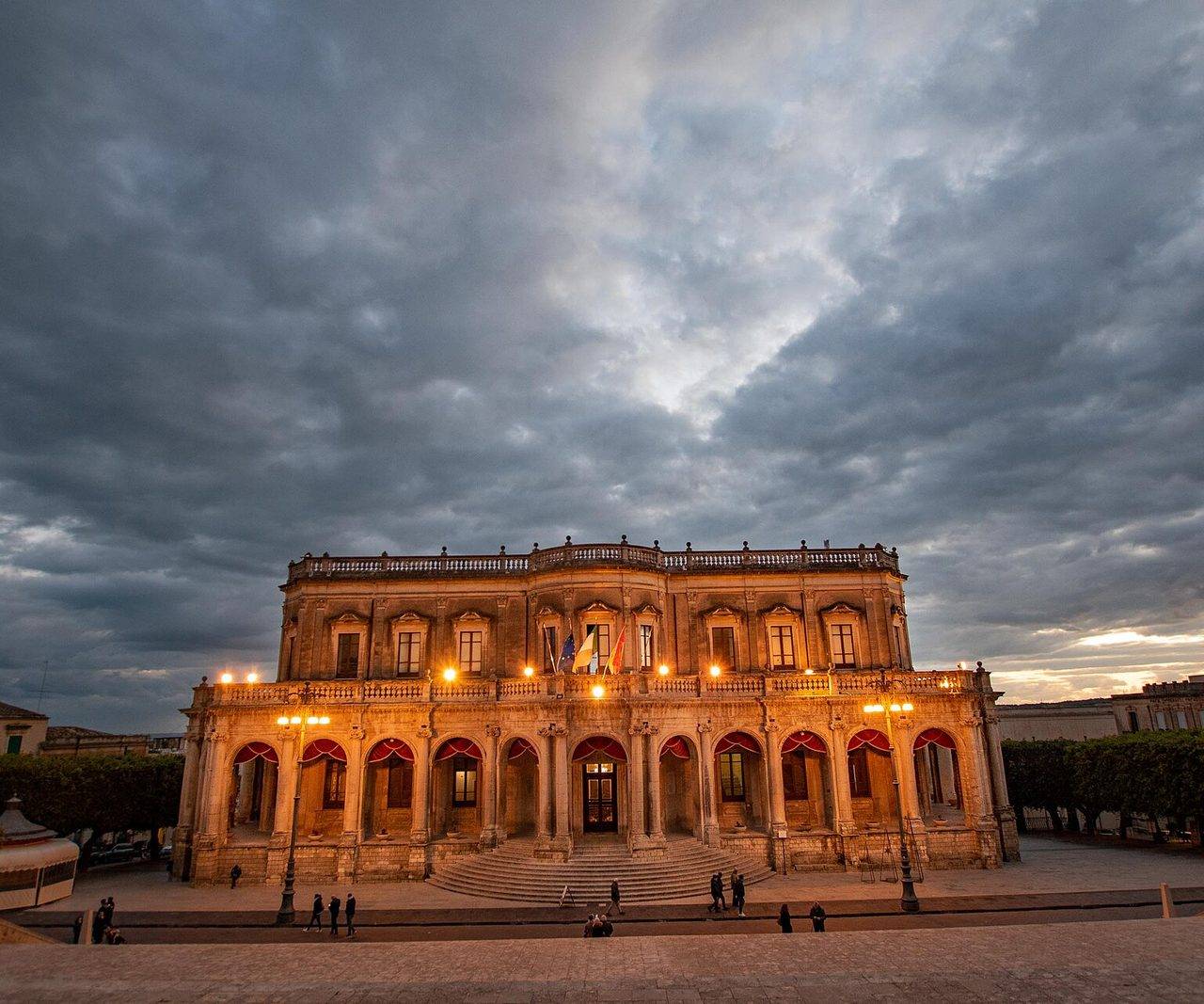
You have surely seen the photographs: the golden-hour light bathing the Cathedral, the flawless elegance of Corso Vittorio Emanuele, the sheer theatricality of its palazzi.
This city, entirely rebuilt after the devastating 1693 earthquake, is an open-air masterpiece, a triumph of Sicilian Baroque carved from a soft, honey-hued limestone that glows amber in the late afternoon sun. Its beauty is breathtaking, almost sublime.
Yet, to truly know Noto, to feel its pulse, one must be willing to step off the main stage. It requires a conscious decision to leave the crowds behind and discover a different rhythm, one that is quieter, more intimate, and profoundly authentic. The city’s deeper magic reveals itself in the silent lanes, the hidden courtyards, and the stories whispered by its residents, far from the spotlight.
Navigating the Baroque Stage
Corso Vittorio Emanuele is Noto’s ceremonial spine, a majestic axis connecting a series of spectacular squares and monumental buildings. Beginning at the grand Porta Reale, the route unfolds past the Church of San Francesco all'Immacolata, with its commanding staircase.
Further on, Piazza del Municipio forms the city's heart, where the Cathedral of San Nicolò and Palazzo Ducezio face one another in a graceful architectural dialogue.
For a different perspective, however, you must explore the streets running parallel to this main artery. Via Cavour, for instance, reveals noble palaces that are just as grand but more understated, their wrought-iron balconies hinting at centuries of private lives.
It is here, amid laundry fluttering in the breeze and the scent of citrus from unseen gardens, that you find the true cadence of Noto’s daily life. Allow yourself time to simply meander.
Practical Notes for a Perfect Stay
Reaching Noto is straightforward. The nearest international gateway is Catania Airport (CTA), followed by an approximate one-hour drive. Hiring a car is all but essential for true exploration, granting you the freedom to discover not only the town but also its magnificent surroundings, from pristine beaches to the other late-Baroque towns of the Val di Noto.
The historic centre is largely a ZTL (Limited Traffic Zone), so it is wise to use the designated car parks on the periphery and explore on foot. Comfortable footwear is non-negotiable.
The best times to visit are spring (April to June) and autumn (September to October), for pleasant weather and smaller crowds. May is particularly noteworthy for the Infiorata, an extraordinary ephemeral carpet of petals laid along Via Nicolaci.
Booking accommodation well in advance is highly recommended, especially if travelling in high season or during the Infiorata festival. For sought-after restaurants or tours of private palazzi, a reservation is also a prudent step to avoid disappointment.
Beyond the Façades: Art and Quiet Contemplation
While the Cathedral rightly commands attention, other churches offer moments of profound peace and beauty. The Church of San Domenico, a masterwork by architect Rosario Gagliardi, impresses with its elegant convex façade and ornate interior.
Nearby, the Church of Montevergini is worth visiting not only for its architecture but for the opportunity to ascend its twin bell-tower terraces, which offer peerless panoramic views across the city’s rooftops.
A definitive Noto experience is a visit to one of the noble palaces open to the public, such as Palazzo Nicolaci di Villadorata. Its famous balconies, supported by a menagerie of cherubs, lions, and fantastical grotesques, are a symbol of the city. To step inside is to be transported back in time, wandering through frescoed salons and opulent rooms that tell the story of one of Sicily's most powerful families.
Sicily does not surrender its secrets easily. It reveals itself not to the hurried glance, but to the patient observer, in the quiet details-a hidden courtyard, the taste of sun-warmed fruit, the enduring warmth of ancient stone.
Exploring these spaces provides a deeper understanding of the social and cultural fabric that gave rise to such splendour. It is an invitation to slow your pace, to absorb the atmosphere, and to imagine the lives and festivities that once animated these historic walls.
The Authentic Taste of the Val di Noto
To speak of Noto is to speak of flavour. The Sicilian breakfast here is a revered morning ritual: a granita, ideally almond, served with a soft, cloud-like brioche 'col tuppo'. Seek out the historic cafés where the recipes have been perfected over generations. But the local gastronomy extends far beyond this. Pasticcerie tempt with ricotta-filled 'cassatelle' and pastries featuring the prized Pizzuta d'Avola almond.
For a truly authentic meal, venture into Noto Alta, the upper town, where family-run trattorias serve honest, seasonal cuisine. Look for dishes made with Pachino cherry tomatoes, Monti Iblei olive oil, and fresh fish from the nearby Ionian Sea. A glass of local Nero d'Avola, or a dessert wine like Moscato di Noto Passito, provides the perfect finishing touch.
Coastal Escapes and Natural Reserves
Noto's location is a strategic advantage, placing it a short drive from some of Sicily’s most stunning coastline. The Vendicari Nature Reserve is an essential visit for nature lovers.
This protected sanctuary offers a unique dialogue between land and sea, with salt pans visited by flamingos, the evocative ruins of an old 'tonnara' (tuna fishery), and unspoilt beaches. Among these is the famed Calamosche, a perfect crescent of golden sand nestled between two rocky headlands.
Further south, the fishing village of Marzamemi is enchanting, with an atmosphere that feels suspended in time. Its main square, Piazza Regina Margherita, is an achingly picturesque outdoor salon, framed by old fishermen's cottages and the former tonnara. It is the ideal spot for a sunset aperitivo or a dinner of exceptionally fresh seafood overlooking the harbour.
The Evening Ritual and Local Etiquette
As evening falls and the city lights trace new outlines on the baroque façades, Noto transforms. This is the hour of the 'passeggiata', a nightly social theatre where locals reclaim their town. Joining this gentle promenade along the Corso is the best way to feel a part of the community. The aperitivo, a civilised prelude to dinner, is another unmissable local custom.
A few notes on etiquette: a smart-casual approach to evening dress is advisable, and visitors should ensure shoulders and knees are covered when entering churches. A simple greeting ('buonasera') upon entering a shop or restaurant is a small but appreciated courtesy. In restaurants, the 'coperto' is a standard cover charge for bread and table setting.
Your Bespoke Journey
Noto is a destination that rewards curiosity, revealing its truest self to those who look beyond its magnificent surfaces. It is about discovering a flower-filled courtyard, savouring a dish prepared with generational pride, or watching a sunset from a quiet stretch of coast. These are the moments that elevate a trip into an extraordinary journey.
To help choreograph an itinerary that resonates with your personal tastes, unveiling the most secret corners and authentic experiences in Noto and its environs, the Covellea concierge is at your service to provide tailored advice and recommendations.