
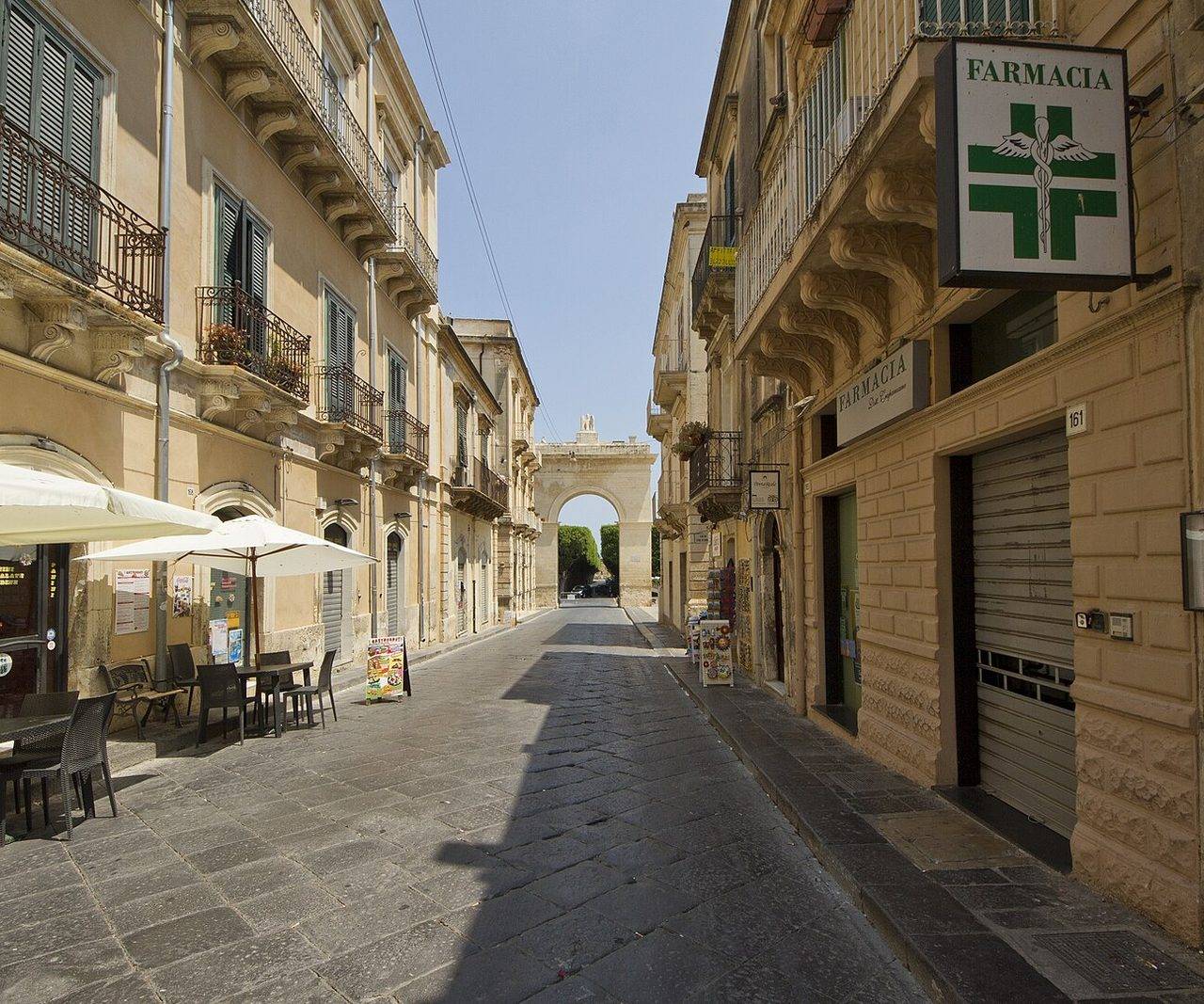
In Noto, the morning light does not merely illuminate; it reveals. As the first rays touch the soft, honey-hued limestone of its palazzi, the city seems to take a collective breath, awakening from a centuries-long slumber. One is captivated here not just by architectural grandeur, but by the quiet rhythm of daily rituals, by a certain grace passed down like a family heirloom.
The very air hums with a sense of continuity seldom found elsewhere. This is not the international fizz of Taormina, nor the polished coastal chic of Portofino. Noto’s luxury is of a different kind: it is found in whispered authenticity, in the quiet pride of its people, and in a profound connection to its own epic story.
Navigating the Baroque Masterpiece
The Corso Vittorio Emanuele serves as the city’s grand stage, a triumphant parade of churches and noble palaces culminating in the magnificent cathedral steps. Yet to truly understand Noto's soul, one must leave this main axis and venture into the warren of alleys, or vicoli, that climb towards the upper town or descend into more residential quarters.
Exploring on foot is not just a recommendation; it is an imperative. Each step on the ancient flagstones reveals unexpected details: swollen wrought-iron balconies, grotesque masks peering from doorways, and secret courtyards where time appears to stand still. It is in this golden-stone labyrinth that real life unfolds, away from the hurried glance of the day-tripper.
The city is a complex organism, with its noble core and its more humble, gathered neighbourhoods. Exploring areas like the upper Agliastrello district reveals a more intimate dimension, where laundry strung between buildings creates colourful garlands and the scent of simmering sauces mingles with jasmine.
The Artisan’s Touch: A Living Legacy
Noto’s beauty is not simply a relic of the past; it is a tradition kept alive in the hands of its artisans. Behind half-closed doors in quiet side streets, you will find the small workshops, or botteghe, where ancient crafts are perpetuated. The heirs of the scalpellini, the stone carvers who rebuilt the city after the 1693 earthquake, still work the local stone with astonishing skill.
Seek out the ceramicists, whose family designs have evolved subtly over generations while remaining rooted in classic Sicilian motifs. Observe the blacksmiths, whose artistry is expressed in the intricate ironwork that adorns the city’s famous balconies. Remember, with courtesy, that to enter a workshop is to enter a creative space; a greeting and genuine interest are always welcome.
This heritage of craft is not limited to objects. It is a pervasive art form found also in the local patisseries, where the treatment of almonds and pistachios reaches heights of excellence, transforming simple ingredients into complex and refined creations.
The Morning Ritual: The Sweet Science of Granita
Forget the cappuccino and croissant. In Noto, the day begins with a sacred ritual: breakfast with granita and a brioche ‘co’ tuppu’. It is a simple yet deeply cultural pleasure, a moment of cool refreshment that prepares one for the Sicilian heat. The texture of granita here is unique, creamy and intensely flavoured, a world away from a common sorbet.
The benchmark is Caffè Sicilia, an institution that for over a century has been a custodian of the island’s pastry arts. To taste their almond granita, perhaps made from a specific local cultivar, is an almost transcendental experience. The balance between the sweetness and the slightly bitter note of the nut is sheer perfection.
The ritual is completed by dipping the warm, cloud-like brioche into the icy depths of the glass. Be sure to also try the flavours that follow the seasons: sharp and thirst-quenching lemon, intense pistachio, or the rare and delectable mulberry, or gelsi, in the height of summer.
Festivals and Processions: Noto’s Theatrical Soul
Noto's spiritual traditions are vivid, heartfelt, and unapologetically theatrical. The most spectacular event is the Infiorata, held on the third weekend of May, which transforms Via Nicolaci into an ephemeral carpet of colourful petals. Local artists create intricate designs which are then meticulously filled with flowers in a magnificent celebration of creativity and community spirit.
To witness a procession in Noto is to feel the pulse of centuries. It is not a performance for visitors, but a profound expression of a community’s soul, played out on the world's most beautiful stage.
However, it is the Holy Week processions that offer a more profound insight into the town's heart. The Good Friday procession, carrying the reliquary of the Holy Thorn alongside statues of the entombed Christ and Our Lady of Sorrows, is a moment of deep solemnity and emotion, a sacred drama that unfolds through streets lit only by torches.
Other key moments in the calendar are the festivals for the patron saint, San Corrado, celebrated in both February and August with processions, fireworks, and a level of local participation that demonstrates the unbreakable bond between the city and its faith.
Practical Counsel for a Stay in Noto
To truly savour Noto, timing is everything. The finest periods to visit are spring (April-May), for its pleasant climate and the Infiorata, and autumn (September-October), when the light is golden and the crowds have thinned. Summer is vibrant and lively but can be intensely hot.
The nearest airport is Catania (CTA). Hiring a car is essential for exploring the wider Val di Noto region and the coast. Within Noto itself, however, walking is the only sensible way to get around. Securing accommodation with parking is a wise move, as public parking can be challenging.
Do not make the mistake of seeing Noto in a rush. Allow a minimum of two to three days. This gives you time to experience the town at different paces, especially during the evening passeggiata, when locals reclaim the Corso and the city reveals its most authentic self.
Booking accommodation and dinner at more sought-after restaurants well in advance is crucial, particularly during festival periods and high season. This forethought will ensure a more serene and enjoyable experience.
Horizons Beyond the Golden Walls
Noto serves as an ideal base for exploring the other wonders of the Val di Noto, a UNESCO World Heritage site. Short drives will take you to Modica, famed for its unique chocolate; the dramatic hilltop town of Ragusa Ibla; and the elegant, film-set-perfect Scicli. Each offers a unique variation on the late-Baroque style.
Do not neglect the coast. The nearby Vendicari Nature Reserve offers miles of unspoilt coastline, pristine beaches like Calamosche, and a vital stopping point for migratory birds. For a charming maritime atmosphere, a visit to the fishing village of Marzamemi, especially at sunset, is a must.
For personalised advice and to craft an itinerary that truly reflects your interests, the Covellea concierge is at your service to offer suggestions and assist with your travel arrangements.