
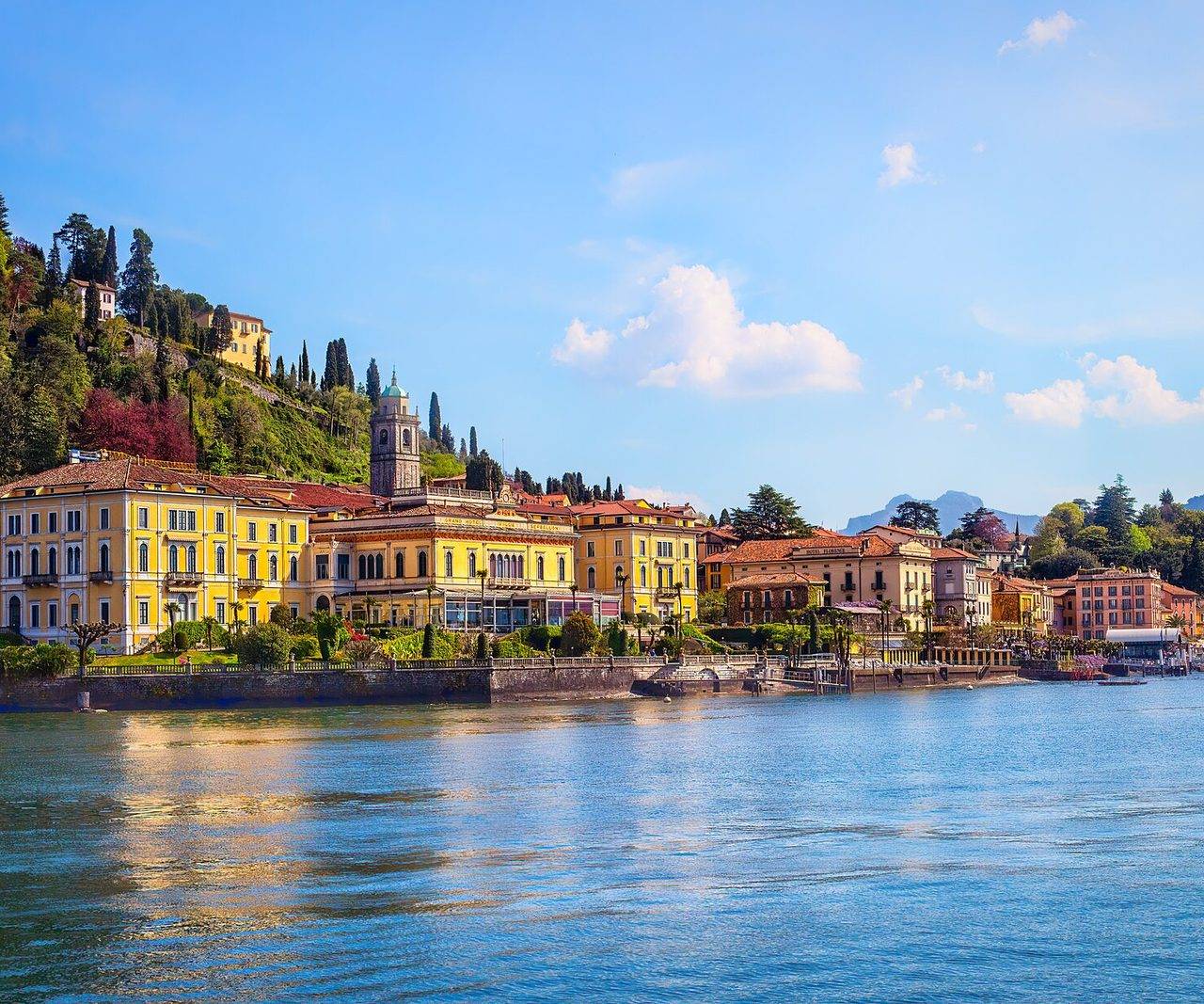
The morning mist still clung to the peaks of the Grigne, a soft veil over Bellagio as the first fishing boats, small and resolute, pushed off from the shore. The rhythmic dip of oars, the hopeful cast of nets a familiar ballet that has played out on these waters for centuries.
This, my friends, is where the true heart of Lake Como beats, not in the opulent salons of its famed villas, but in the quiet, enduring traditions that shape the lives of its people.
My earliest memories of Como are woven with the scent of freshwater and the distant chiming of church bells. It was a simpler time, perhaps, but the essence of those moments remains. Take, for instance, the tradition of missoltini. This isn't just dried fish; it's a culinary ritual.
The agoni, a type of freshwater shad, are caught in spring, then meticulously salted, pressed, and dried in the sun and wind, often hung on special racks along the lakefront, particularly in towns like Sala Comacina. The aroma, distinct and savory, tells a story of preservation and community.
Enjoying them grilled with polenta, perhaps with a glass of crisp local white wine, is not merely a meal; it's an immersion.
I remember a meal at Trattoria del Porto in Careno, a tiny village reachable by ferry, where the owner, an elderly gentleman with hands calloused by years of lake life, recounted tales of his grandfather’s catches while serving perfectly cooked missoltini. It was not just food, but history on a plate.
The lake's rhythms also dictated the traditions of silk production. Como has long been synonymous with silk, a legacy stretching back to the 15th century. While the large factories are fewer now, the artistry persists.
Walk along Via Volta in Como city, and you'll still find bespoke silk shops, their windows displaying vibrant scarves and intricate ties. The process, from the delicate cocoons to the lustrous fabric, involves a precision and dedication that reflect the Lombard spirit.
It's a testament to fine craftsmanship, a tradition that speaks to an appreciation for beauty and quality. Many visitors come seeking the renowned silk products, and rightly so, for they carry generations of skill within their threads.
To understand this tradition is to understand a cornerstone of the regional economy and artistry.
Beyond the tangible, there are the more subtle traditions, those ingrained in the daily life and social fabric. Sundays, for example, often bring families together for leisurely passeggiate along the lakeside promenades, from Menaggio to Varenna.
It's a gentle ritual of connection, conversation, and a shared appreciation for the stunning landscape. Children chase pigeons, elders chat on benches, and the air is filled with a pleasant hum of life. These are not planned events; they are organic expressions of community.
And what of the connection to wellness? The very pace of life here, guided by the lake and its seasons, encourages a slower, more mindful existence. The tradition of taking the waters, though perhaps more prevalent in thermal towns, finds its echo in the serene environment of Lake Como.
Many of the grand hotels, like Villa d'Este, have long offered exquisite spa facilities, drawing from ancient practices of hydrotherapy to modern treatments.
Imagine indulging in a personalized wellness journey, perhaps a revitalizing facial using local botanicals, or a therapeutic massage after a long day exploring. This, too, is a form of tradition, albeit a luxurious one, emphasizing care for the self amidst breathtaking beauty.
The tradition of slowing down, of finding internal calm, is powerfully supported by the tranquil surroundings.
Even the seemingly small details carry weight. Consider the festival of San Giovanni, celebrated in late June on Lake Como. The highlight is the illuminated procession of boats on the water, culminating in a spectacular fireworks display over Comacina Island.
This isn't merely a tourist spectacle; it’s a centuries-old homage to a patron saint, a moment for communities to gather, share food, and celebrate their shared heritage.
The air crackles with anticipation, the lake reflects the dancing lights, and for a few hours, everyone is part of something larger than themselves.
The intricate artistry of traditional boat building, too, endures. Visit a small marina in towns like Dervio or Gravedona, and you might still see artisans meticulously crafting or restoring the classic wooden 'lucie' boats, their graceful lines a familiar sight on the lake.
These flat-bottomed boats, once crucial for fishing and transport, are now cherished symbols of Como's maritime past. It’s a craft passed down through generations, each chisel stroke a whisper of ancestral knowledge. This deep respect for craft and heritage is a beautiful aspect of Como life.
Even the local dialect, 'Laghée,' though less commonly spoken by younger generations, is a tradition that persists in the turns of phrase and expressions of the older residents. It’s a linguistic tapestry rich with local history and humor, full of the wisdom of the lake.
Listen closely in a bustling market in Como city, perhaps near Piazza Cavour on a Saturday morning, and you may catch snippets of it, a melodic echo of times gone by.
Exploring Lake Como's traditions is to peel back layers, to move beyond the postcards and discover the authentic pulse of this extraordinary place. It’s about understanding the rhythms of the water, the resilience of its people, and the enduring beauty of practices passed down through time.
When you next find yourself gazing at the shimmering expanse, remember that beneath the surface lies a wealth of stories, waiting to be gently uncovered.
Each tradition, whether a taste, a craft, or a communal celebration, offers a deeper connection to the soul of Lake Como, making your visit not just a trip, but a true immersion. It’s an invitation to experience Como not as a destination, but as a living, breathing testament to its past and present.
You might also enjoy
An Affair to Remember: Crafting Your Perfect Romantic Escape on Lake Como · Lake Como Through the Seasons: An Insider's Guide to Year-Round Luxury · Echoes of Grandeur: Lake Como's Artistic Soul · Echoes of Baroque: Noto's Living Traditions