
The Morning Catch and the Soul of the Sea
The dawn in Ortigia arrives not with a silent whisper, but with the specific, rhythmic clang of fishing boats returning to the Mandracchio harbor. It’s a sound that has echoed across these waters for centuries, long before the sleek yachts of today found their berths alongside the weathered gozzi.
If you’re truly awake before the city begins its gentle hum, you can witness the fishermen meticulously untangling their nets, their hands calloused and quick, a ballet of practiced movements passed down through generations.
This isn't a show for tourists, but simply life, unfolding as it always has. There's a particular scent in the air then, a blend of salt, diesel, and fresh fish, invigorating and real.
Later in the morning, venture to the Mercato di Ortigia, just beyond the bridge. Here, the bounty of the sea and the island’s fertile land explodes in a riot of color and sound.
The fishmongers, with their booming voices, call out the day's catch: swordfish, tuna, ricciola. Don't just observe; engage.
Ask about the best way to prepare a particular fish, or perhaps, if you're feeling adventurous, try a raw sea urchin, cracked open on the spot with a tiny spoon of intense, briny flavor.
This market isn’t just a place to buy food; it’s a social hub, a place where generations meet, gossip, and share the day’s news. It’s a sensory overload in the best possible way, a true immersion in the island’s beating heart.
The Quiet Persistence of Ancient Faith
Ortigia might be small, but its spiritual life is vast and deeply ingrained. Spend an hour in the Duomo di Siracusa, a masterpiece that literally incorporates the Doric columns of an ancient Greek temple into its baroque facade.
This layering of history, of pagan sanctity subsumed by Christian devotion, is a powerfully felt tradition here. You can almost feel the whispers of countless prayers carried on the sea breeze through its ancient stones.
Beyond the grand cathedral, though, are smaller, less conspicuous churches, often locked. If you're fortunate enough to find one open, step inside. The air is often cool and still, filled with the scent of old incense and beeswax.
These are places of quiet, personal devotion, where votive candles flicker and the weight of centuries feels palpable.
The religious festivals, or 'feste', are particularly vivid expressions of Ortigia’s enduring traditions. The annual feast of Santa Lucia in December, for example, sees a solemn procession carry the silver statue of the patron saint through the streets, an event that draws crowds from across Sicily.
It's a display of profound faith and communal identity, where families line the routes, children crane their necks, and the air crackles with anticipation and reverence.
While the larger events are well-known, even smaller, local celebrations for patron saints of individual neighborhoods offer a glimpse into a more intimate faith, often accompanied by local food stalls and music.
These are moments where the island truly comes alive, a reminder that spiritual life here is not confined to churches but spills out into the streets.
The Art of the Table: Eating and Living the Sicilian Way
To speak of Ortigia’s traditions without mentioning its food would be like discussing the sea without its waves. The Sicilian table is the bedrock of family and social life, a place where recipes are safeguarded and passed down with almost religious fervor.
It's not just about the ingredients, though these are exceptional, but about the ritual: the long lunches, the extended family dinners, the slow pace of conversation over multiple courses.
Forget any preconceptions about quick meals; eating here is an experience to be savored, a communal act of pleasure and connection.
Seek out the small trattorias tucked away on side streets, perhaps near Via Cavour or along the Jewish Quarter, where you might find a nonna still rolling pasta by hand.
Dishes like 'pasta alla Norma', with its rich tomato sauce, fried eggplant, and salted ricotta, or a simple 'spaghetti ai ricci' (sea urchin pasta) embody the island’s soul. These aren't just meals; they are stories on a plate, telling of the land and the sea, of ingenuity and abundance.
A Private Chef experience arranged through Covellea provides a beautiful way to understand these traditions more intimately, perhaps even learning the secrets of a local specialty in the comfort of your own villa.
Imagine a sun-drenched afternoon, the scent of fresh basil and simmering tomatoes, and a glass of local vino bianco, all while overlooking the sea.
An Islander's Pace: The Timeless Rhythm of the Passeggiata
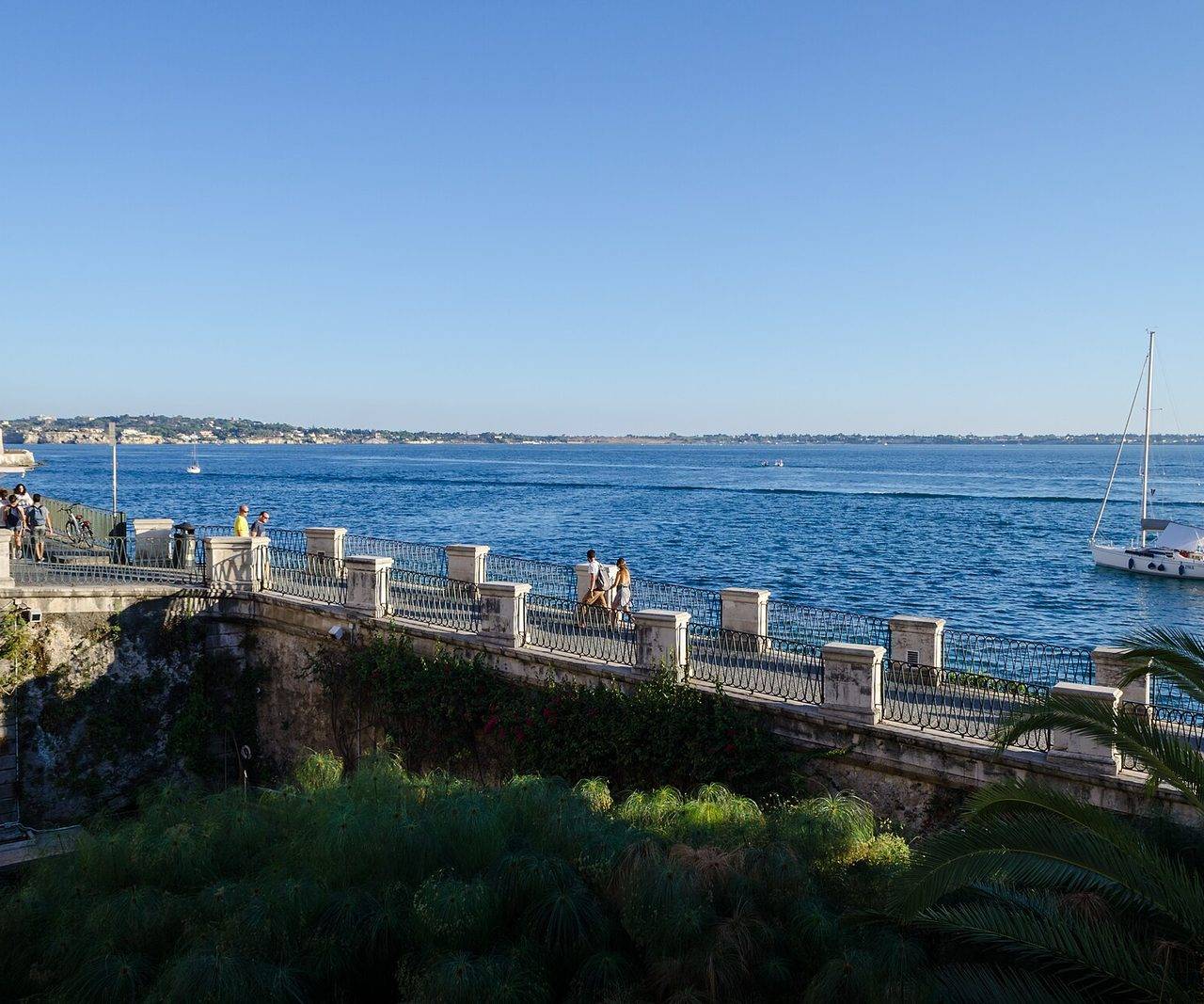
Perhaps the most charming, yet subtle, tradition in Ortigia is the 'passeggiata'. This evening stroll, particularly along Lungomare Alfeo, is more than just a walk; it’s a social institution.
As the sun dips below the horizon, painting the sky in fiery hues, families, couples, and friends emerge, dressed in their finest, to walk leisurely, to see and be seen, to chat, to pause for a gelato.
It’s a moment of collective unwinding, a gentle transition from the day’s activities to the evening’s pleasures.
Observing the passeggiata gives you a window into the unhurried rhythm of island life, a tradition that prioritizes human connection and elegant simplicity over the frenetic pace of modern existence.
As you stroll, you might notice the particularity of the light as it catches the ancient buildings, casting long shadows that seem to stretch back through history. The sound of children’s laughter mingles with snippets of Italian conversation and the distant lapping of waves.
This is the heart of Ortigia, not in grand monuments, but in these daily rituals, these enduring customs that give the island its unique character.
Consider a private yacht excursion around the island just before dusk; from the water, you'll see the old city walls bathed in golden light, and the lights of the passeggiata begin to twinkle, offering a truly unique perspective on these long-held traditions and the vibrant life they sustain.
Ortigia’s traditions aren’t dusty relics; they are living, breathing elements of daily life, woven into its very fabric. To truly experience the island is to allow yourself to be enveloped by these rhythms, to taste its flavors, to witness its devotions, and to participate, even as an observer, in its timeless routines. It’s a privilege, one that deepens the appreciation for this extraordinary corner of Sicily.
You might also enjoy
Ortigia: A Timeless Canvas of Sicilian Art and Culture · Ortigia's Golden Hours: When to Savor Sicily's Island Jewel · Ortigia for Families: A Luxury Sicilian Escape · Echoes of Baroque: Noto's Living Traditions